 Luxury Phinisi Editorial Desk
Updated: July 2026
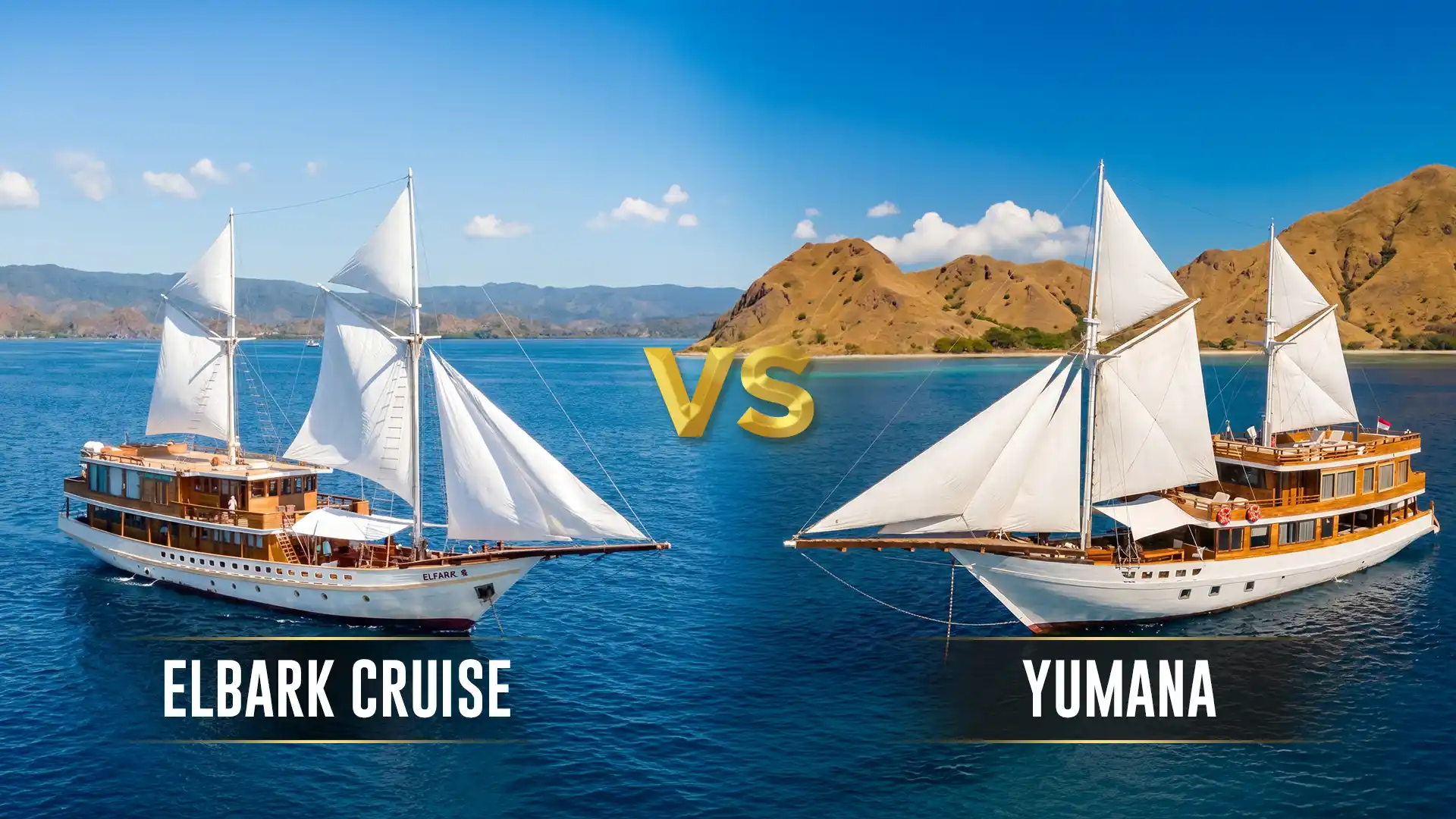
A tandem phinisi charter puts a large group on two yachts sailing the same route in convoy — sharing anchorages, itineraries, and dinners while sleeping in genuine comfort. For 16 to 30 guests in Indonesia, chartering two phinisi almost always beats squeezing everyone onto one hull: more cabins, more crew, and combined rates that start around $7,000 per night for both boats.
Luxury Phinisi has organized multi-yacht group charters across Komodo, Raja Ampat, and the Bali coastline for U.S. travelers since 2018 — weddings, family reunions, and company offsites that simply outgrew a single deck. This guide explains how tandem charters actually work, what they cost against a single superyacht, and which routes suit a two-boat fleet.
For milestone celebrations that span multiple hulls, our event charter desk handles fleet logistics end to end.
When One Phinisi Isn’t Enough
Most phinisi in our fleet sleep between 8 and 14 guests in real comfort. Flagship-class vessels of 50 to 65 meters stretch that to 16. Beyond that number, a single hull forces compromises nobody enjoys: bunk cabins for adults, queues for tenders, and a chef cooking for a crowd the galley was never designed to feed.
The tandem model solves this cleanly. Instead of hunting for one enormous boat — rare in Indonesia and expensive when found — you pair two vessels that sail together as a private flotilla. Each yacht keeps its own crew, chef, tenders, and dive gear, so service quality holds at the level a private full-boat charter delivers for a smaller group. The group stays together where it matters (beaches, dive sites, dinners) and apart where it also matters (sleep, showers, quiet mornings).
Typical tandem group sizes we arrange:
- 16-20 guests: two Premium-tier phinisi (25-35m, 6-12 guests each)
- 20-26 guests: one Premium plus one Ultra-tier yacht (35-50m, 8-14 guests)
- 26-30+ guests: two Ultra-tier vessels, or an Ultra paired with a Flagship
How Tandem Charters Work: Convoy Sailing, Shared Anchorages
Both yachts follow one master itinerary, agreed before departure and managed by a lead captain. In practice the day runs like this:
- Morning departure in sequence. The faster or lead vessel weighs anchor first; the second follows within sight or radio range.
- Shared anchorage by early afternoon. Captains coordinate over VHF and, on Starlink-equipped vessels, a shared group channel — so both boats drop anchor in the same bay, usually 100-300 meters apart.
- Tender shuttles between hulls. Each yacht’s tenders run a continuous water-taxi service. Crossing from one boat to the other takes two or three minutes.
- Combined excursions. Dragon treks, dive drops, and beach landings are timed together, with both dive teams briefing as one group when conditions allow.
Because our captains plan both vessels’ routing from one operations desk, the convoy never splits by accident. Weather calls, park permits, and anchorage bookings are handled once, for the whole fleet — not negotiated between two separate operators who have never worked together.
Pairing Yachts: Matching Speeds and Styles
Not every two phinisi make a good pair. Three factors decide whether a tandem feels like one unified charter or two boats awkwardly sharing a bay:
Cruising speed
Phinisi typically cruise at 7 to 10 knots under engine. A two-knot mismatch means one group waits at anchor for hours. We pair vessels within roughly one knot of each other, or schedule the slower boat’s departures earlier.
Interior standard
If half your group sleeps in a master suite with a bathtub and the other half in lower-deck bunks, you will hear about it at dinner. We match vessels within the same tier — or assign hulls deliberately, for example families on the larger boat and couples on the more intimate one.
Character
Some phinisi are built for diving, with camera rooms and nitrox; others lean toward wellness, with spa decks and yoga platforms. A good pairing either matches characters or splits them intentionally — a “dive boat” and a “spa boat” sailing together lets guests choose their day.
Every hull we pair carries the same baseline: heritage ironwood and teak construction from the Bira and Tana Beru yards of South Sulawesi (the boat-building tradition UNESCO recognized in 2017), modern navigation and safety systems, and Starlink connectivity on current fleet vessels.
Cost Math: Two Boats vs One Superyacht
The numbers favor tandem more often than most groups expect. Our all-inclusive full-boat rates run per night, per vessel:
| Option | Guests | Nightly rate | Per guest / night (at capacity) |
|---|---|---|---|
| One Ultra phinisi (35-50m) | 8-14 | $12,000-20,000 | $860-1,500 |
| One Flagship phinisi (50-65m) | 12-16 | $20,000-35,000 | $1,250-2,200 |
| Two Premium phinisi (tandem) | 12-24 | $11,000-24,000 combined | $460-1,000 |
| Premium + Ultra (tandem) | 14-26 | $17,500-32,000 combined | $670-1,250 |
Read the last column carefully: two Premium-tier boats carrying 20 guests often cost less per person than one Flagship carrying 14 — while giving the group twice the deck space, two chefs, and double the tenders. Rates are all-inclusive of crew, meals, fuel within the itinerary, and standard water sports; Komodo tandem charters start from a combined $7,000 per night, Raja Ampat from $11,000 given the remote logistics. See our private charter page for what full-boat pricing includes.
One honest caveat: tandem doubles the park permits and, in Raja Ampat, the repositioning costs. For groups of 14 or fewer, a single Ultra vessel is usually the better buy.
Group Logistics: Dining Together, Sleeping Apart
The rhythm that makes tandem charters work is simple — shared days, private nights:
- Breakfast on your own boat. No shuttling before coffee. Each group starts the day at its own pace.
- Combined main event. One long beach lunch or one dinner brings all guests onto a single deck or a lantern-lit sandbar. The larger yacht’s saloon and foredeck typically host; both chefs cook together for the full group.
- Split activities by appetite. Divers take one tender fleet, snorkelers and paddleboarders another. Kids’ snorkel safaris run off one boat while a quiet massage hour runs on the other.
- Early nights stay easy. Guests return to their own cabins whenever they choose — no designated drivers, just a two-minute tender ride.
Cabin assignments deserve planning before departure, not on the dock. We map every guest to a named cabin during booking, balancing couples, families, and solo travelers across both hulls so nobody discovers a surprise on boarding day.
Best Routes for Tandem Fleets
Some Indonesian routes suit convoys far better than others:
Komodo (best all-around)
Short hops between anchorages, dozens of bays wide enough for two yachts, and a 3-5 night format that fits event schedules. Flights into Labuan Bajo are frequent enough to move 30 people in a single day. Komodo tandem charters start from a combined $7,000 per night.
Raja Ampat (for the ambitious)
The scenery and reefs justify the logistics, but plan 7 nights minimum and stagger group arrivals into Sorong across two flights. From $11,000 per night combined for two entry-tier vessels; realistic tandem budgets run higher with Premium hulls.
Bali and the Gilis (for events on a schedule)
Departing from Bali removes a domestic flight entirely — decisive for wedding parties with older guests or tight corporate calendars. Calm crossings, short sails, and easy guest swaps mid-charter.
Weddings, Reunions and Company Offsites at Scale
Three group types account for most of the tandem charters we run:
Weddings. The couple and immediate family take one yacht; friends take the other. The ceremony lands on a private beach or the flagship’s foredeck, and the two-boat structure quietly solves the oldest wedding problem — giving the couple somewhere to retreat to. Our phinisi wedding charter team handles celebrants, florals, and photography permits alongside the marine logistics.
Family reunions. Three generations rarely share one schedule. Grandparents anchor the calmer vessel; teenagers claim the dive boat. Everyone converges for dinner. Multi-generation groups of 18-24 are the single most common tandem booking we take.
Company offsites. Two hulls create natural breakout spaces: leadership sessions on one deck, team workshops on the other, plenary dinners together. With Starlink aboard, hybrid presentations to a home office are routine. Our corporate charter service adds AV setups, facilitation-ready saloons, and invoicing that finance departments accept without a fight.
For groups still deciding which hulls to pair, our ranking of the best luxury phinisi yachts for 2027 is the natural starting point — most tandem fleets are built from vessels on that list.
How to Book a Tandem Charter
Start earlier than you would for a single boat. Two matched vessels with aligned calendars are scarcer than one open week, especially in peak season (July-August for Komodo, December-January for Raja Ampat). Nine to twelve months ahead is comfortable; six is workable; less than four narrows the pairing options sharply.
Send us your group size, preferred dates, and the occasion on WhatsApp at +62 811 382 3875. We respond with two or three vessel pairings, a route recommendation, and combined pricing — usually within a day.
FAQ: Tandem Phinisi Charters
How many guests can a tandem phinisi charter accommodate?
Two paired phinisi comfortably host 16 to 30 guests depending on the vessel tiers chosen. For groups beyond 30, a three-boat flotilla is possible on Komodo routes, though two vessels covers the vast majority of weddings, reunions, and offsites.
Do both boats follow exactly the same itinerary?
Yes — one master itinerary, coordinated by a lead captain, with both vessels sharing anchorages each night. Daily activities can split by preference (diving from one boat, beach time from the other) and reconverge for meals.
Is a tandem charter cheaper than one large superyacht?
Per guest, usually yes. Two Premium phinisi carrying 20 guests typically cost $460-1,000 per person per night all-inclusive, against $1,250-2,200 aboard a single Flagship vessel — with more total deck space and two full crews.
Can guests move between the two yachts during the trip?
Freely. Tenders shuttle between hulls throughout the day at shared anchorages, and cabin assignments can be swapped mid-charter if both boats’ layouts allow. The only fixed rule is that overnight passages are sailed with everyone aboard their assigned vessel.