 Luxury Phinisi Editorial Desk
Updated: July 2026
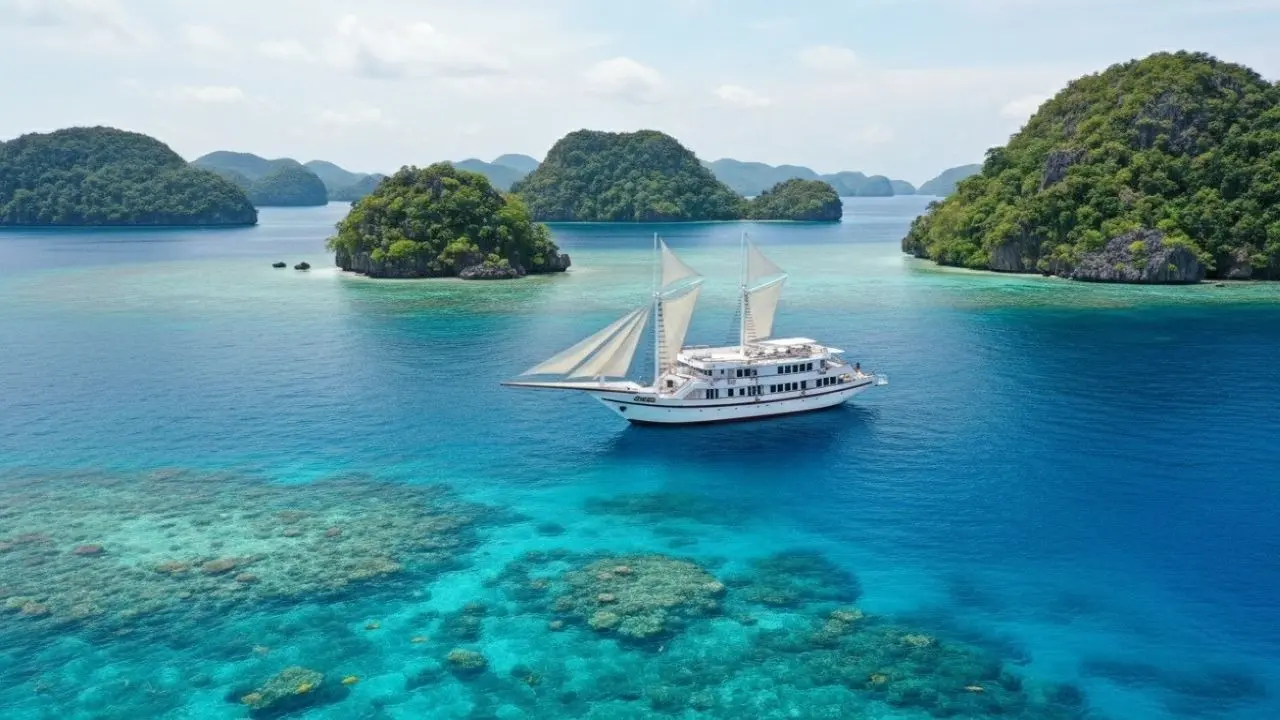
A new generation of phinisi yachts reaches the water in 2027, launched from the UNESCO-listed building beaches of Bira and Tana Beru in South Sulawesi. Every new phinisi entering charter service this year pairs a hand-built ironwood and teak hull with modern safety systems, upgraded navigation, and Starlink connectivity as standard. Here is what is coming, and how to sail it first.
Trusted by U.S. travelers since 2018, Luxury Phinisi charters, builds, sells, and manages phinisi across Indonesia, which means we watch these beaches professionally. Hulls we track today become the vessels our guests board eighteen months later. This launch tracker is updated as builds progress through 2027; for the current confirmed list, message us on WhatsApp at +62 811 382 3875.
The 2027 Launch Tracker
One honest note before the table. Phinisi names are traditionally confirmed late, often at sea trials or at the christening itself, and owners frequently keep branding under wraps until marketing photography is complete. Rather than publish placeholder names that will change, we track launches by build class, yard, and expected debut window, all of which are set far earlier in the process.
| Build class | Builder yard | Length | Guests | Expected debut | Likely debut grounds |
|---|---|---|---|---|---|
| Flagship (50–65m) | Tana Beru | 50m+ | 12–16 | Second half 2027 | Komodo, then Raja Ampat season |
| Ultra (35–50m) | Tana Beru & Bira | 35–50m | 8–14 | Q2–Q3 2027 | Komodo |
| Premium (25–35m) | Bira | 25–35m | 6–12 | Throughout 2027 | Komodo and Bali departures |
| Entry (20–25m) | Bira and neighboring yards | 20–25m | 4–8 | Throughout 2027 | Komodo |
| Major refits relaunching | Various | Mixed | Mixed | Q1–Q2 2027 | Fleet-wide |
Charter rates for new builds follow the same tiers as the established fleet: Entry-class vessels run $3,500–5,500 per night all-inclusive for the full boat, Premium $5,500–12,000, Ultra $12,000–20,000, and Flagship $20,000–35,000. New hulls rarely command a premium over those bands in year one; owners want occupancy and reviews, which is precisely why early bookings are good value.
The Headline Launches This Year
The story of 2027 is scale at the top end. The largest hulls now in final fit-out at Tana Beru sit in the 50-meter-plus range, built for owners who watched the Flagship tier book out across recent Komodo seasons and commissioned accordingly. These are two-year projects: keel laid in 2025, hull closed in 2026, interiors and systems through the first half of 2027, sea trials before the vessel ever takes a paying guest.
What distinguishes this year’s top launches is not length alone but engineering. Expect twin-engine redundancy, commercial-grade radar and AIS, hospital-spec air conditioning, and dive compressors installed at build rather than retrofitted. Several are being built to satisfy the flag and classification requirements that international insurers increasingly demand, a shift we explain in detail on our phinisi boat building page.
In the Premium and Ultra tiers, the pattern is fewer, larger cabins. Where a 40-meter hull might once have carried seven compact cabins, new builds of the same length are launching with five genuinely spacious suites. Owners have read the market correctly: American and European charter guests will pay for space long before they pay for an extra berth.
Still on the Beach: Hulls in Build at Bira
Walk the sand at Bira or Tana Beru today and you will see the 2028 and 2029 charter fleet standing in scaffolding. Konjo shipwrights still shape these hulls the way their community has for generations, a tradition UNESCO inscribed on its Intangible Cultural Heritage list in 2017. Ironwood, known locally as ulin, forms the keel and frames; teak planks the decks and interiors. No two hulls come off the beach identical, because no two ever have.
For anyone considering a future charter or a commission, the beaches themselves are worth the trip. Our guide to visiting the Bira shipyards covers how to get there from Makassar, what you will see at each stage of construction, and the etiquette of walking a working beach where families build ships in front of their homes.
Timelines are worth understanding if you plan to be aboard a specific new vessel. A hull that looks nearly complete on the beach is typically twelve months from carrying guests: launching, engine installation, interior fit-out, systems testing, and certification all happen after the dramatic moment the ship first touches water.
What New Builds Tell Us About Charter Trends
Reading the order book is the closest thing this industry has to a forecast. Four patterns stand out across the 2027 launches.
- Starlink is now assumed, not advertised. Every new build we track carries satellite internet from day one. Guests planning remote-work charters or family trips no longer need to ask; they need only confirm bandwidth.
- Master suites are growing. Full-beam owner’s cabins with panoramic glazing, once a Flagship-only feature, now appear on new Premium-tier builds.
- Dive infrastructure is built in. Compressors, nitrox capability, and dedicated gear rooms are being designed into hulls rather than bolted on, reflecting how much Komodo and Raja Ampat demand comes from divers.
- Environmental hardware is standard. Sewage treatment systems, oil-water separators, and expanded solar arrays are appearing on new builds ahead of regulation, because park authorities and guests both ask.
The destination pattern matters too. Most new vessels debut in Komodo, where charters start from $3,500 per night and the season runs long. The larger and more capable hulls then position to Raja Ampat, where remoteness pushes rates from $5,500 per night and rewards vessels with serious range and redundancy.
Freshly Refitted: Relaunches Worth Watching
Not every 2027 debut is a new keel. A phinisi hull built from ulin is a decades-long asset, and several established vessels are emerging from major refits this year with rebuilt interiors, new engines, upgraded electrical systems, and current-generation navigation and communication equipment. A well-executed refit can put a ten-year-old hull on equal footing with a new launch, sometimes at a friendlier nightly rate.
Refit relaunches are also where sharp-eyed buyers look. Owners occasionally refit to sell, and a surveyed, recertified vessel with fresh systems is a very different proposition from a tired one. Our phinisi for sale listings track which refitted vessels are available to purchase rather than charter, with build history and survey status documented for each.
How do you tell a genuine refit from a repaint? Ask for the yard invoice and the survey report. A structural refit replaces planking, fastenings, and systems below the waterline and is documented in detail; a cosmetic one stops at varnish and upholstery. The vessels we manage publish their refit history openly, because a documented hull is worth more to charter guests and to future buyers alike.
How to Be First Aboard a New Phinisi
Being the first charter group on a new vessel has real appeal: untouched cabins, a crew eager to impress, and the quiet satisfaction of sailing a ship on her maiden season. It also carries one practical caution. First-season schedules move. Certification, weather during sea trials, or a late interior delivery can shift a debut by weeks. Book a new launch with that flexibility in mind, or let us structure a booking with a proven vessel held as backup.
The practical playbook looks like this:
- Get on the tracker early. Serious inquiries twelve months out get first refusal on maiden-season dates, especially over Komodo’s dry season.
- Compare against the proven fleet. Review our current fleet alongside any new launch, and see our ranking of the best luxury phinisi for 2027 to understand where a debut vessel would sit among established names.
- Confirm the essentials in writing. Safety certification, crew experience, and insurance should be documented before deposit, new hull or not.
- Hold dates with a refundable structure. For maiden seasons we arrange terms that protect you if a launch date slips.
Message us on WhatsApp at +62 811 382 3875 and tell us your dates, group size, and destination. We will tell you plainly which new launches will realistically be ready, and which established vessels would serve you better.
FAQ: New Phinisi Launches in 2027
How many new phinisi launch in Indonesia in 2027?
Across the Bira and Tana Beru yards, multiple hulls in every size class are scheduled to enter service through 2027, from intimate 20-meter vessels to 50-meter-plus flagships. Exact counts shift as fit-out and certification timelines move, so we maintain a live tracker and share the current confirmed list on request.
Do new phinisi cost more to charter than established boats?
Usually not in their first season. New builds price within the standard tiers, from $3,500 per night for Entry-class up to $35,000 for Flagship vessels, because owners prioritize occupancy and early reviews. Rates tend to firm up in year two once a vessel has a reputation.
Is it safe to book a maiden-season charter?
Yes, with sensible structure. Every vessel we place guests on holds current safety certification regardless of age, and new builds carry the latest navigation and life-saving equipment. The real risk is schedule slippage, which we manage with flexible terms and a proven backup vessel.
Can I buy a new phinisi instead of chartering one?
Yes. We build to commission at the South Sulawesi yards and broker completed vessels, including refitted hulls ready for immediate service. A new-build commission typically runs about two years from keel to handover, and our management service can place the vessel into charter revenue from her first season.