 Luxury Phinisi Editorial Desk
Updated: July 2026
An eco-friendly phinisi sailing holiday runs on wind, timber, and discipline. A traditional phinisi under sail already produces a fraction of the emissions of a comparable motor yacht, and a responsibly managed charter adds sewage treatment, reef-safe anchoring, plastic-free provisioning, and park fees that directly fund conservation in Komodo and Raja Ampat. This guide shows you how to verify all of it.
“Sustainable” has become the most abused word in yachting. Every operator claims it; few can show receipts. At Luxury Phinisi, we charter, build, and manage phinisi yachts across Indonesia, so we see both sides — the marketing and the machinery. Below is an honest breakdown of what makes a luxury phinisi yacht charter genuinely low-impact, and the exact questions that separate real practice from a green paint job.
Why a Sailing Ship Is Already the Greener Choice
Start with the hull itself. A phinisi is a wooden sailing vessel built from ironwood (ulin) and teak by Konjo shipwrights in Bira and Tana Beru, South Sulawesi — a boat-building tradition inscribed by UNESCO in 2017. Timber construction locks carbon into the hull for the vessel’s working life, which for a well-maintained phinisi can span decades. Compare that with the energy cost of fabricating a steel or fiberglass motor yacht of similar volume.
Then there is propulsion. Phinisi carry two masts and up to seven sails. On open crossings with favorable wind, a captain who actually sails — rather than treating the rig as decoration — cuts engine hours significantly. No charter in Komodo or Raja Ampat is engine-free; currents, schedules, and safety require diesel at times. But a sailing itinerary planned around wind and tide burns meaningfully less fuel than a motor yacht covering the same route at speed. A sustainable liveaboard in Indonesia begins with this simple fact: the greenest fuel is the one never burned.
The Hardware That Matters: Sewage Treatment, Oil-Water Separators, Solar
Romance aside, environmental performance is decided in the engine room. These are the systems that distinguish a genuinely eco-friendly phinisi from one that merely photographs well:
- Sewage treatment or holding tanks. Raw blackwater discharged in an anchorage ends up on the reef below. Proper vessels treat sewage on board or hold it for discharge well offshore, in line with MARPOL-style practice. Ask specifically — this is the single most common failure point.
- Oil-water separators. Bilge water collects diesel and lubricant residue. A separator strips hydrocarbons before any water leaves the hull. Without one, every bilge pump cycle leaves a sheen.
- Solar panels and battery banks. Solar arrays paired with lithium batteries let a vessel run lights, refrigeration, and navigation electronics at anchor without idling a generator all night. Quieter for you, cleaner for the bay.
- Watermakers. Onboard desalination eliminates the pallets of bottled water that older operations still load in port — often thousands of single-use bottles per season, gone.
- Modern engines, maintained. A well-serviced engine with clean injectors burns less and smokes less. Maintenance logs are a fair thing to ask about.
None of this hardware is visible in a brochure photograph, which is exactly why it matters. Our own commitments, vessel standards, and the practices we hold our fleet to are documented on our sustainability page.
Reef-Safe Practice: Mooring, Anchoring, Sunscreen
The fastest way a charter damages a marine park is not exhaust — it is a dropped anchor. A single anchor and chain swinging across a coral head can undo decades of growth in one afternoon.
A reef-safe yacht charter follows a clear hierarchy. First choice: designated mooring buoys, which exist at many established sites in Komodo National Park precisely so vessels never touch the bottom. Second choice: anchoring only over sand or rubble, verified by eye or depth sounder, never over coral. Third: in deep or exposed water, holding position under engine for a short swim stop rather than anchoring at all. Crews who dive their own anchor to check its set are crews who take this seriously.
Guests carry responsibility too. Oxybenzone and octinoxate — common ingredients in conventional sunscreen — have been shown to harm coral, which is why destinations such as Hawaii and Palau restrict them. Bring mineral-based, reef-safe sunscreen, or better, cover up with a rash guard and use less of it. Good operators stock reef-safe options on board and brief guests before the first swim: no standing on coral, no touching, no chasing marine life, respectful distance from mantas and turtles.
Plastic-Free Provisioning Aboard
Indonesia’s marine plastic problem is real, and a liveaboard either contributes to it or refuses to. Refusing takes planning, not slogans:
- Refillable bottles for every guest, filled from the watermaker or bulk dispensers — the single largest plastic saving on any charter.
- Bulk provisioning in reusable containers, with market produce bought loose in port rather than shrink-wrapped trays flown in.
- Glass, steel, and bamboo service — no disposable cups, straws, or cutlery anywhere on deck.
- All waste back to port. Nothing organic or otherwise goes over the side in park waters; recyclables and residual waste are sorted and landed at the harbor.
A useful tell: ask what happens to garbage on day five of a seven-night itinerary. An operator with a real system answers instantly. One without a system changes the subject.
How Charter Fees Fund Park Conservation
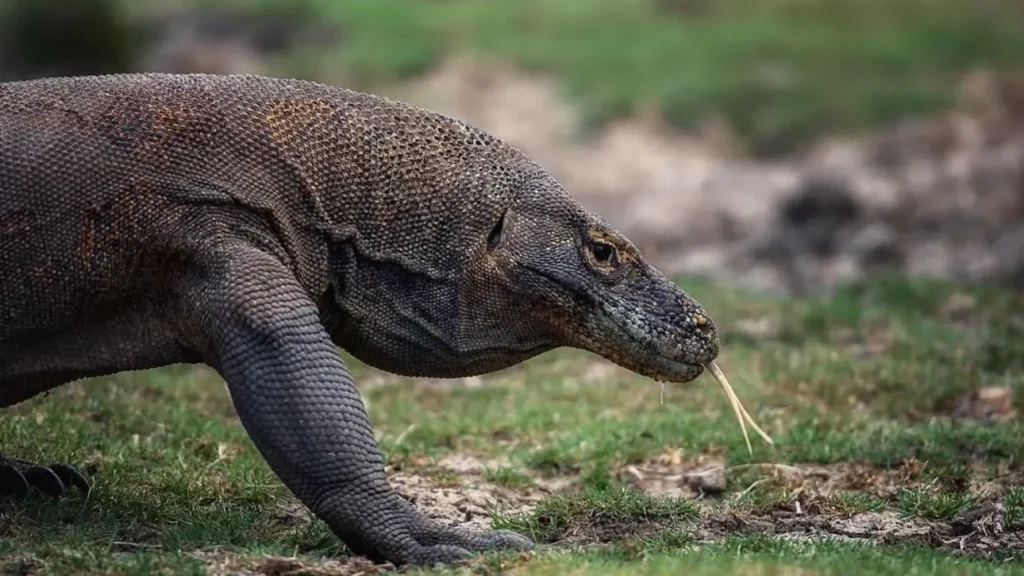
Your itinerary is also a funding mechanism. Komodo National Park charges entrance, activity, and vessel fees that support ranger patrols, mooring maintenance, and species protection across the park — including the Komodo dragon itself. Raja Ampat operates a marine park entry system that channels visitor money into what has become one of the world’s most successful marine protected areas, with reef biomass and shark populations recovering measurably since the network was established.
These fees are not an annoyance to minimize; they are the point. Paying them in full, through official channels, is the most direct conservation contribution a guest makes. The amounts, payment process, and current regulations change periodically — our guide to Komodo National Park fees and rules for 2027 keeps the numbers current so nothing surprises you at the ranger station.
Context on cost helps here. Full-boat, all-inclusive phinisi charters start around $3,500 per night for entry-class vessels (20–25m, 4–8 guests) in Komodo, and from $5,500 per night in Raja Ampat, where remoteness raises operating costs. Premium vessels (25–35m) run $5,500–12,000 per night. Park fees are a small fraction of that spend — and the fraction doing the most measurable good.
Community Impact: Crews, Shipwrights, Villages
Sustainability that ignores people is incomplete. A phinisi is not a product; it is a living craft tradition. Every hull we charter or build traces back to the Konjo shipwrights of Bira and Tana Beru, whose knowledge earned UNESCO recognition in 2017. Chartering these vessels — and commissioning new builds — keeps that expertise economically alive rather than preserved as a museum piece.
Responsible tourism in Komodo extends beyond the shipyard. Crews hired from Flores, Sulawesi, and the surrounding islands, paid fairly and trained properly, mean charter revenue stays in the region. Provisioning from local markets in Labuan Bajo puts money into fishing and farming families directly. Village visits arranged with communities — not staged for them — turn guests into contributors rather than spectators. When you compare operators, ask where the crew is from and where the food is bought. The answers reveal more than any certification logo.
Questions to Ask Before You Book Green
Green claims are free; evidence is not. Put these questions to any operator before you sign, and expect specific answers:
| Ask this | A credible answer sounds like |
|---|---|
| How is blackwater handled? | “Treated on board / held in tanks and discharged offshore — never in anchorages.” |
| Do you use mooring buoys in Komodo? | “Wherever available; otherwise we anchor on verified sand and check the set.” |
| Is there a watermaker on board? | “Yes — guests use refillable bottles; we carry no single-use water.” |
| What runs the boat at anchor overnight? | “Solar and batteries carry the hotel load; the generator runs limited hours.” |
| Where is your crew from? | Named islands and roles, without hesitation. |
| Are park fees included and paid officially? | “Included in the all-inclusive rate, paid through official channels, receipts available.” |
Vague answers to two or more of these questions tell you the sustainability page was written by the marketing department, not the captain.
Luxury Phinisi has arranged charters for U.S. travelers since 2018, pairing heritage hulls with modern safety systems, current navigation electronics, and Starlink connectivity — proof that low-impact and five-star are not opposites. If you want a luxury eco-friendly phinisi yacht charter vetted against every point above, message us on WhatsApp at +62 811 382 3875 and we will match you to a vessel whose engine room matches its brochure.
Frequently Asked Questions
Is a phinisi charter really more eco-friendly than a motor yacht?
Generally, yes. A phinisi’s timber hull stores carbon, and sail assistance cuts engine hours on open crossings. No vessel is zero-impact, but a sailing itinerary planned around wind, paired with proper waste systems, produces a substantially smaller footprint than a motor yacht running the same route.
How much does an eco-friendly phinisi sailing holiday cost?
Full-boat, all-inclusive rates start around $3,500 per night for entry-class vessels (20–25m, 4–8 guests) in Komodo and from $5,500 per night in Raja Ampat. Premium yachts (25–35m, 6–12 guests) run $5,500–12,000 per night; larger ultra and flagship vessels range up to $35,000.
Do my charter fees actually support conservation?
Yes. Komodo National Park and Raja Ampat both charge official visitor and vessel fees that fund ranger patrols, mooring buoys, and marine protection programs. Paying these fees in full through official channels is the most direct conservation contribution any charter guest makes.
What should I pack for a reef-safe trip?
Bring mineral-based, reef-safe sunscreen free of oxybenzone and octinoxate, a rash guard for sun cover, and a refillable water bottle. Skip single-use toiletries; reputable vessels provide refillable amenities on board and brief guests on reef etiquette before the first swim.