
Your Guide to the Best Labuan Bajo Airport Hotels for a Seamless Trip

krisna
December 17, 2025
17 min read

Planning a trip to Labuan Bajo, especially if you’re flying in, means thinking about where you’ll stay before or after your island adventures. While the main draw is the Komodo National Park, having a comfortable spot near the airport can make a big difference for a smooth start or end to your journey. We’ll look at some options for Labuan Bajo Airport hotels that can help with that.
Key Takeaways
- Labuan Bajo Airport is the main entry point for Komodo Island trips, so timing your flights is important.
- Arrive by 10 AM on day one and depart after 1 PM on the last day to align with tour schedules.
- Waturanda Trip offers ‘Open Trips’ for social travelers and ‘Private Trips’ for those wanting more control.
- Both trip types include airport/hotel transfers within the city area, meals, and guides.
- Remember to budget for Komodo National Park entrance fees, which are separate from tour packages.
Labuan Bajo Airport

Labuan Bajo, specifically the Komodo Airport (LBJ), is your entry point to the incredible Komodo National Park and the surrounding islands. Most travelers arrive here to kick off their adventure, so getting your bearings around the airport area is a good first step. It’s wise to book your flight to arrive by mid-morning on your first day, especially if you’re joining a pre-arranged tour, as many start around 10 AM. Arriving later might mean you have to sort out your own boat transfer, which can add unexpected costs and hassle.
When planning your departure, aim for a flight after 1 PM on your last day. Tours usually wrap up around noon, and you’ll want to give yourself enough time to get back to the airport without feeling rushed. Flight schedules can change, so always double-check them well in advance.
For those looking for convenience right after landing or before heading out, there are a few accommodation options close to the airport. While Labuan Bajo itself is a bustling hub, finding a place to rest your head that’s easily accessible is key for a smooth start or end to your trip. You can find a range of hotels near Labuan Bajo Airport, from simple guesthouses to more established hotels, offering a convenient base.
Here are a few things to keep in mind regarding airport logistics:
- Arrival Timing: Aim for flights arriving before 10 AM to connect with most tour departures.
- Departure Timing: Schedule return flights for after 1 PM to allow ample time after your tour concludes.
- Transfers: If you’re on a tour package, transfers from the airport are often included for the main town area. Be aware of potential extra charges for locations further out.
- Amenities: The airport itself is relatively small, so don’t expect extensive shopping or dining. It’s functional for arrivals and departures.
Getting to Labuan Bajo is the first step in what promises to be an unforgettable journey through one of Indonesia’s most spectacular natural wonders. Planning your arrival and departure times thoughtfully can make a significant difference in your overall travel experience, setting a positive tone for your island-hopping adventures.
Kelor Island
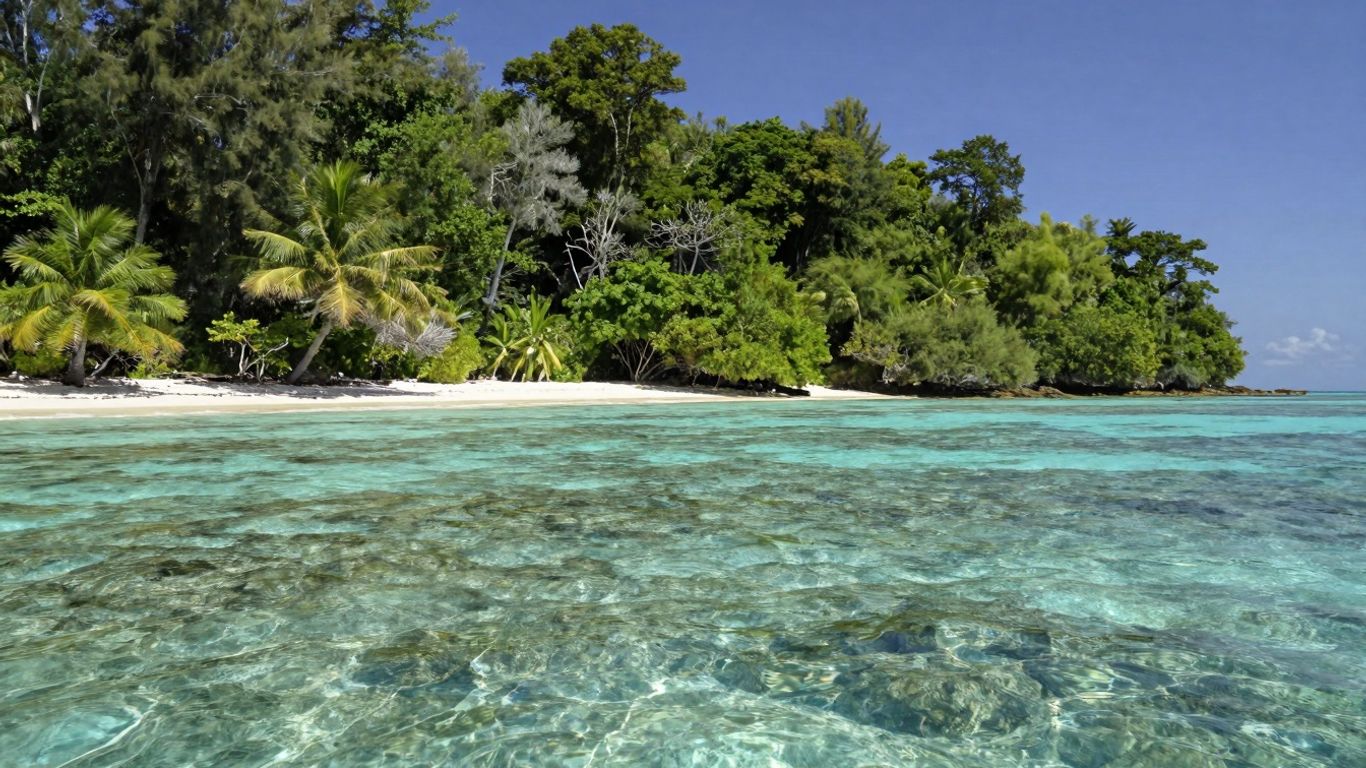
Kelor Island is often one of the first stops on many Komodo National Park tours, and for good reason. It’s a small, picturesque island that really sets the tone for the adventure ahead. Think crystal-clear waters perfect for a refreshing dip and soft, white sand that feels great underfoot.
This island is a fantastic spot for some initial snorkeling and just soaking in the natural beauty of the area. It’s not usually a place where you’ll spend a huge amount of time, but it’s definitely memorable.
Here’s what you can typically expect:
- Snorkeling: The waters around Kelor Island are teeming with marine life, making it a great place to get acquainted with the underwater world. You’ll likely see a variety of colorful fish.
- Relaxation: The beach is perfect for lounging, taking photos, or simply enjoying the view. It’s a great place to unwind after your journey to get there.
- Island Views: If you’re feeling a bit energetic, there’s a small hill you can hike up for a panoramic view of the island and the surrounding turquoise sea. It’s a short climb but offers a rewarding vista.
Kelor Island serves as a beautiful introduction to the Komodo archipelago. Its simple charm and accessible beauty make it a delightful starting point for any island-hopping adventure, offering a peaceful moment before the more active parts of the tour.
Many tours, especially the 3-day, 2-night open trips, include Kelor Island on the first day. It’s a convenient and visually appealing stop that gets everyone excited for what’s to come.
Manjarite Island

Manjarite Island is often a stop on the way to other famous spots, and it’s a pretty chill place. It’s known for its clear waters, which makes it a good spot for a bit of snorkeling. You’ll likely see some colorful fish darting around the coral. It’s not usually a long stop, more of a refreshing dip and a chance to stretch your legs between bigger destinations.
Most tours include a stop here, especially the shorter ones. It’s a nice break from being on the boat.
- Good for a quick snorkel: The water is usually calm and clear.
- Easy access: You can usually just hop off the boat and swim.
- Relaxing atmosphere: It’s a quiet spot to just chill for a bit.
While Manjarite might not have the dramatic landscapes of Padar or the unique wildlife of Komodo Island, it serves its purpose well as a pleasant interlude. It’s a place to enjoy the simple beauty of the underwater world without too much fuss.
Kalong Island
As the sun begins to dip below the horizon, a truly magical spectacle unfolds at Kalong Island. This is the time when thousands of flying foxes, also known as fruit bats, take to the sky. It’s quite a sight, honestly. They emerge from the mangrove forests that cover the island, creating a moving, dark cloud against the colorful evening sky. It’s a natural phenomenon that feels almost otherworldly.
Most boat tours that go through the Komodo National Park will make a stop here, usually towards the end of the day. It’s a pretty standard part of many itineraries, like the ones offered by Waturanda Trip, which often include it on the first day after visiting places like Kelor Island and Manjarite. It’s a great way to wind down after a day of exploring.
Here’s what you can expect:
- Timing: The best time to see the bats is right around sunset.
- Viewing: You’ll typically watch from the boat as they fly out.
- Duration: The show lasts for about 30 minutes to an hour, depending on when they all decide to leave.
- Experience: It’s a peaceful experience, just floating on the water and watching nature do its thing.
While you won’t be getting off the boat to walk around Kalong Island itself, the experience of witnessing this massive exodus of bats is something else. It’s a reminder of the incredible biodiversity you can find in this part of Indonesia. Just remember to bring your camera, though the sheer scale of it is hard to capture fully.
It’s a moment that really sticks with you, a quiet but powerful display of life. If you’re planning a trip to Labuan Bajo, make sure your itinerary includes a stop here. You can find more details about tours that include this stop on this itinerary.
Padar Island
Okay, so Padar Island. This place is seriously something else. You’ve probably seen the pictures, right? That iconic viewpoint with the three distinct bays below? It’s even better in person. Getting to the top is a bit of a hike, but totally worth the sweat.
Most tours will get you there early, often for sunrise, which is pretty magical. The trail is well-maintained, but wear decent shoes – flip-flops probably won’t cut it, especially if it’s damp. It’s not a super long climb, maybe 15-20 minutes depending on your pace, but it’s steep in parts.
Here’s a quick rundown of what to expect:
- The View: Three bays, each a different color sand – white, black, and pink. It’s a photographer’s dream.
- The Climb: A series of stairs and paths leading to the summit.
- The Timing: Sunrise is popular, but any time of day offers incredible vistas.
Remember to bring plenty of water for the hike up. The sun can be intense, and staying hydrated is key to enjoying the experience without feeling wiped out. It’s a short but demanding walk, so pacing yourself is a good idea.
When planning your trip, many Komodo tours include Padar Island. You can find various options, from group adventures to more private excursions, depending on your travel style. For instance, some private yacht charters can tailor your itinerary to spend more time here if you wish.
Pink Beach
Alright, let’s talk about Pink Beach, or Pantai Merah as it’s known locally. It’s one of those spots that really lives up to its name. The sand here isn’t just a little bit pink; it’s got this distinct rosy hue, especially when the sun hits it just right. This color actually comes from tiny fragments of red coral mixed in with the white sand over time. It makes for some seriously cool photos, so definitely have your camera ready.
Beyond the unique sand, Pink Beach is a fantastic place to just chill out or get in the water. The water is usually pretty calm here, making it great for a swim. If you’re into snorkeling, you’re in luck. The reefs around Pink Beach are quite healthy, and you can see a lot of colorful fish darting around. It’s not uncommon to spot sea turtles gliding by too, which is always a treat. You can rent snorkeling gear if you don’t have your own, so don’t worry if you packed light.
Here’s a quick rundown of what makes Pink Beach special:
- Unique Pink Sand: Created by crushed red coral mixed with white sand.
- Great Snorkeling: Vibrant coral reefs teeming with marine life.
- Relaxing Atmosphere: Perfect for swimming, sunbathing, and unwinding.
- Photography Opportunities: The pink sand provides a stunning backdrop.
Getting to Pink Beach is usually part of a boat tour from Labuan Bajo. Most tours include it as a stop, so you don’t typically need to arrange separate transport unless you’re on a very specific itinerary. It’s a highlight for many visitors exploring the Komodo National Park.
When planning your trip, remember that Pink Beach is just one of many incredible stops. Most tours will combine it with other islands, giving you a taste of everything the area has to offer. It’s a place where you can really appreciate the natural beauty of the region. If you’re looking for a truly memorable beach experience, Pink Beach should definitely be on your list for your Komodo Island trip.
Komodo Island
Komodo Island is probably what most people think of when they hear "Komodo National Park." It’s the main event, the place where you can actually see the famous Komodo dragons in their natural habitat. These giant lizards are pretty incredible, and seeing one up close is definitely a memorable experience.
When you visit, you’ll usually be accompanied by a park ranger who knows how to keep both you and the dragons safe. They’ll guide you along designated paths, pointing out the dragons and explaining a bit about their lives. It’s not just about spotting them, though; the island itself has some rugged beauty, with rolling hills and dry landscapes.
Here’s a quick rundown of what to expect:
- Home to Komodo Dragons: The primary reason people come here. These are the largest living lizards on Earth.
- Guided Tours: Always go with a ranger for safety and information.
- Unique Landscape: Expect dry, hilly terrain that’s quite different from other islands.
- Conservation Efforts: The park is a UNESCO World Heritage site, focused on protecting these unique creatures and their environment.
Remember that Komodo Island is part of a protected national park. It’s important to follow all the rules and guidelines to help preserve this special place for the dragons and for future visitors. Stick to the paths and never try to feed or touch the animals.
Most tours that visit the Komodo National Park will include a stop here. It’s usually a highlight of any trip, offering a chance to witness wildlife that you won’t find anywhere else on the planet. Just be prepared for the heat and the rugged terrain – comfortable shoes are a must!
Taka Makassar
Taka Makassar is a really unique spot, basically a tiny, shifting sandbar that pops up in the middle of the ocean. It’s not a permanent island, so its appearance can change depending on the tides and currents.
It’s a fantastic place for a quick stop and some amazing photos.
Here’s what you can expect:
- Stunning Scenery: The contrast of the bright white sand against the deep blue water is just incredible. It feels like you’ve stumbled upon a secret paradise.
- Snorkeling Opportunities: While the sandbar itself is small, the surrounding waters are often teeming with marine life. You might see colorful fish darting around.
- Relaxation: It’s the perfect place to just kick back for a bit, soak up the sun, and enjoy the feeling of being in the middle of nowhere.
Visiting Taka Makassar is often part of a larger boat trip in the Komodo National Park. Because it’s a sandbar, it’s best visited during low tide when more of the sand is exposed. Always check with your tour operator about the best times to visit, as conditions can vary.
It’s a fleeting beauty, so make sure to appreciate it while you’re there!
Manta Point
Alright, so Manta Point. This is one of those spots that really makes you feel small in the best way possible. It’s basically a cleaning station for manta rays, and if you’re lucky, you’ll get to see these gentle giants gliding through the water. Seeing a manta ray up close is an experience you won’t forget.
Here’s what you can expect:
- The Rays: Manta rays are huge, but they’re super peaceful. They come here to get cleaned by smaller fish, so they’re usually pretty relaxed.
- The Water: It’s usually pretty clear, which is great for spotting them. Sometimes there’s a bit of a current, so hold on tight if you’re snorkeling.
- What to Bring: Definitely your snorkel gear. If you don’t have your own, you can usually rent fins. A waterproof camera is a good idea if you want to try and capture the moment, though it can be tricky with the movement.
It’s not guaranteed you’ll see them every single time, as they are wild animals and all, but the chances are pretty good here. It’s definitely worth adding to your itinerary if you’re doing a boat trip around the islands. You can find various tour packages that include this stop, like those offered by Waturanda Trip, which often have flexible durations to fit your schedule. Planning a trip like this is part of the adventure, and knowing what to expect at each location makes it even better. For those interested in luxury travel, exploring options for a phinisi sailing adventure could also be a fantastic way to experience these waters.
This spot is all about patience and a bit of luck. The sheer size of the mantas when they glide by is awe-inspiring. It’s a reminder of the incredible marine life that calls this area home.
Kanawa Island
Kanawa Island is a really pretty spot, often included in longer Komodo tours, usually the 3-day, 2-night options. It’s known for being a bit more laid-back than some of the other, busier islands.
If you’re into snorkeling, this is a good place to do it. The waters around Kanawa are usually pretty clear, and you can see a decent amount of marine life right off the beach. It’s not quite as famous as Manta Point for the big guys, but it’s still a nice, relaxed snorkel.
The beaches here are quite lovely, with soft sand and clear, shallow water that’s perfect for just wading or floating around. It feels like a classic tropical island escape.
Here’s what you can typically expect:
- Snorkeling: Good visibility and a chance to see colorful fish and coral.
- Relaxation: Plenty of space on the beach to just chill out.
- Island Views: Nice scenery, especially looking back towards the other islands.
It’s a great place to just unwind for a bit before heading back to Labuan Bajo. Many tours include it as a stop for lunch or a final swim before the journey ends.
Discover the beauty of Kanawa Island, a true gem in Indonesia. Imagine clear blue waters and amazing coral reefs perfect for snorkeling. It’s a place where you can relax and explore nature’s wonders. Want to see this paradise for yourself? Visit our website to plan your dream trip to Kanawa Island and beyond!
Wrapping Up Your Labuan Bajo Stay
So, that’s the lowdown on picking a hotel near Labuan Bajo airport. It really makes a difference when you can just roll out of bed and head straight to your boat for that amazing Komodo adventure. Whether you’re looking for something super basic or a bit more comfortable, there are options to fit what you need. Getting your travel sorted from the start means you can just relax and soak in all the incredible sights and experiences waiting for you. Have a fantastic trip!
Frequently Asked Questions
When should I plan to arrive in Labuan Bajo for my trip?
It’s best to fly in by 10 AM on your first day. This is when tours usually kick off. If you’re late, you’ll have to pay for your own boat to catch up. For your flight home, aim for after 1 PM on your last day, as tours usually wrap up around noon.
What’s the difference between an Open Trip and a Private Trip?
An Open Trip is like joining a group of other travelers. It has a set plan and is great for meeting new people. A Private Trip is just for you and whoever you invite, and you can change the plan a bit to fit what you want to see.
What costs are NOT included in the trip package?
The tour package doesn’t cover your flights to and from Labuan Bajo, or any hotel stays before or after the trip. You’ll also need to pay the entrance fee for Komodo National Park separately. Snorkel fins are usually extra too.
Do I need to bring my own snorkeling gear?
You’ll get a mask for snorkeling, but if you want fins, you can usually rent them for the duration of your trip. It’s a good idea to check if fins are included with the specific boat you book.
What should I pack for the trip?
Pack light, but don’t forget essentials like sunscreen that’s safe for reefs, a hat, and sunglasses. Bring swimwear, clothes that dry fast, and comfy outfits for island hopping. A waterproof camera is also fun to have!
What if the weather changes the trip plan?
Sometimes the weather can change things, so it’s good to be flexible. The tour guides will make sure everyone stays safe and has a good time, even if the plan needs a little adjustment.
